
The new year is a good time to reflect, reset, and make resolutions.
In 2026, with so much uncertainty in the economy and traveler behavior, it’s also the perfect time to say goodbye to outdated pricing habits. Especially those that are quietly chipping away at your bottom line.
RoomPriceGenie works with thousands of independent hotel owners, general managers, and revenue managers around the world, and these are five habits many are planning to leave behind for good.
1. Tunnel-Vision: Focusing Only on Pricing
The problem: Setting the right price is important, but smart hotel revenue management is about more than pricing. It’s also about managing availability. If you’re only adjusting rates, you’re probably missing out on additional revenue opportunities.
Example: Your hotel is typically sold out on Saturdays, so you always hike up rates. But you often fill up with one-night stays on Saturday and end up with lots of empty rooms on Fridays and Sundays. That makes achieving your budget a little challenging.
The better habit: Balance dynamic pricing with smart availability controls. When demand is high, implement a minimum length-of-stay restriction instead of charging the highest rates. Sweeten the deal with small discounts for extended stays. This will help you capture longer stays, boost occupancy on shoulder nights, and earn more revenue.
Learn more: Hotel Pricing Strategies Guide
2. Procrastination: Adjusting Rates Too Late
The problem: In a busy hotel, pricing can easily slip off your radar. But when you wait too long to respond to shifts in demand, you miss your window to optimize revenue.
Example: A major event is announced in your city. Competitors quickly raise their rates, but you’re focused on operations and don’t catch the demand spike until it’s too late. Your rooms are already booked, but at prices far below market value.
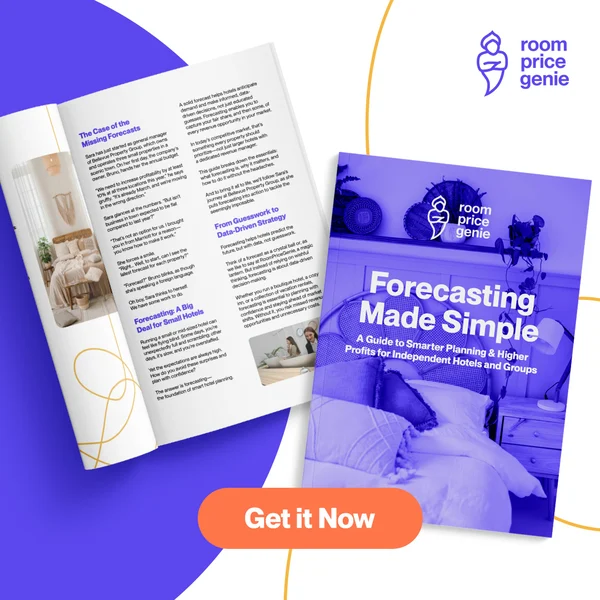
The better habit: Stay ahead of the curve by re-forecasting weekly, keeping a close eye on booking pace, and acting quickly to adjust rates. Better yet, let a revenue management solution automate it all for you, even while you’re off the clock.
Find out more: Forecasting Made Simple Guide
3. Impulsiveness: Discounting Unnecessarily
The problem: Manual pricing decisions can get emotional. When bookings slow down, the knee-jerk reaction is to panic and slash rates. But constant discounting not only lowers your average daily rate, it also teaches guests to wait for deals.
Example: Worried about an unusually quiet week ahead, you opt into an OTA promotion, offering a deep discount to try to fill rooms. But demand wasn’t the problem – bookings were just coming in later than usual. Now you’re fully booked, but at unnecessarily low rates (and with high commission fees).
The better habit: Offer discounts purposefully, not as a default. Use rate fences to reward certain booking behaviors, like early reservations, longer stays, or shoulder night arrivals. Keep your best rates public and save your best deals for when you really need them.
Learn more: Strategic Discounting for Independent Hotels
4. Reactiveness: Chasing Competitors’ Pricing
The problem: It’s important to keep tabs on competitors, but matching (or always trying to beat) their rates without context is short-sighted. They may have different goals, availability, or business mixes. And they might be chasing someone else’s pricing without a clear strategy, which can quickly spiral into a price war.
Example: A nearby hotel drops its rates suddenly. You follow suit, fearing they know something you don’t. But they had a last-minute group cancellation, while your bookings were on track. You just gave away revenue for no reason.
The better habit: Use competitor pricing as a guide, not a blueprint. Focus on your own forecast, demand trends, and revenue objectives. A good revenue management solution will help you stay competitive but also confident in your own strategy.
Find out more: How to Set Room Prices That Beat Your Competition
5. Guesswork: Mispricing Groups
The problem: Groups can be great for filling rooms, especially in low season. But if you offer steep discounts without accounting for demand, availability, or full revenue potential, you might be sacrificing higher-value bookings.
Example: Eager to get some business on the books, you accept a group booking at a deep discount during a holiday weekend. When demand surges later, you’re stuck with underpriced rooms that could have sold at a much higher rate.
The better habit: Always compare group value against expected transient revenue using a displacement analysis (including F&B and ancillary spend). A revenue management system with a group pricing tool can help you make the right call.
Learn more: 7 Ways for Hotels to Capture Profitable Group Business
Commit to Being a Better Hotel Revenue Manager in 2026
Old habits are hard to break, especially when you’re short on time and wearing multiple hats. But the good news is help is out there. With the right hotel revenue management solution, you can:
- Automate availability controls like minimum length of stay
- React quickly to demand changes
- Know when to hold rates or discount strategically
- Track competitor pricing without copying it blindly
- Price group bookings based on total value and opportunity cost
Let 2026 be the year you say goodbye to bad pricing habits and hello to more revenue.
Want to learn more ways to boost revenue in 2026? Book a demo with our hotel revenue management experts today.
To learn how RoomPriceGenie can help your property increase your property’s profitability, start your free trial of our automated pricing solution today!